Electric Vehicle Buying in 2026: What UK Buyers Really Need to Know
Electric vehicles are no longer exotic. You'll see them on every street, at every motorway service station, and in every dealer's forecourt. But buying an EV in 2026 is different from buying one three years ago—and every buyer needs to understand what's changed.
The Market Reality
The EV boom isn't slowing. Manufacturers are releasing new models constantly, battery technology is improving, prices are (slightly) softening, and the charging network is finally becoming reliable. But it's still not a perfect transition from petrol or diesel.
Cost: It's Still Higher, But...
Electric cars are more expensive upfront than equivalent petrol cars. A mid-range EV (say, a 50-60 kWh battery) will typically cost £25,000-£35,000, compared to £18,000-£25,000 for a comparable diesel. But the maths change when you factor in running costs:
Over five years, an EV typically costs 20-30% less to run. The premium you pay upfront is recovered through lower fuel and maintenance costs.
Battery: The Real Concern
The big question every EV buyer asks: will the battery last? The answer is: almost certainly yes, but with caveats.
Modern EV batteries are warrantied for 8 years or 100,000 miles, whichever comes first. Most lose only 5-10% of capacity in that time. Real-world data from early EV adopters shows batteries lasting 10-15 years with minimal degradation.
However:
For used EV buyers, always check the battery health report before purchasing.
Range: It's Better Than You Think
Most new EVs offer 200-350 miles of real-world range on a full charge. That's enough for 95% of daily driving. Where EVs struggle is long-distance driving—the kind where you need to drive 400+ miles in one day without stopping for hours to charge.
For holiday driving or frequent motorway use, you need a strategy:
But for daily commuting, school runs, and weekend trips? Range is rarely an issue.
Charging at Home: Essential, Not Optional
Owning an EV without home charging is inefficient and expensive. Relying on public chargers for daily charging costs more than home electricity rates and wastes time.
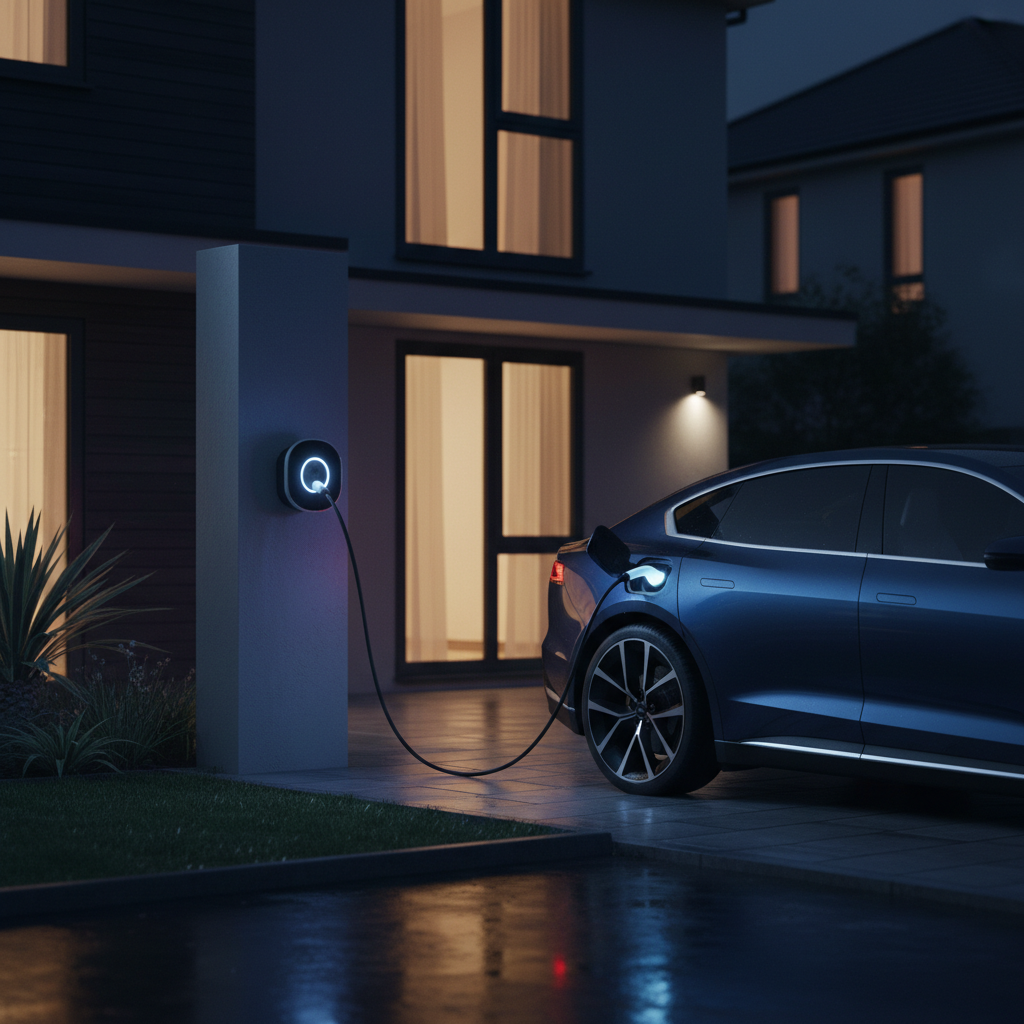
If you have a driveway or garage, installing a 7-11 kW home charger costs £800-£1,200 and will be the best money you spend. Some suppliers offer grants. If you rent or have no off-street parking, EV ownership is more complicated—it's still possible, but requires more planning.
The Models Worth Buying
The market is crowded now. Focus on brands with strong warranty and after-sales support. Good recent EVs include:
Avoid buying the absolute latest models before real-world reviews are in. Let early adopters find the bugs.
Tax and Government Support
The government's EV subsidy schemes have largely ended, but:
Check the government's vehicle tax checker for specifics on any vehicle you're considering.
The Honest Trade-Offs
Pros:
Cons:
The Real Question
Before you buy electric, ask yourself: do I drive mostly short, predictable journeys? Can I charge at home? Am I comfortable with 200+ miles of range? Do the lower running costs offset the higher purchase price?
If yes to all, an EV is probably the right choice. If you're uncertain on range or don't have home charging, a hybrid or petrol might still be more practical.
Verify Any Used EV's History
Buying a used EV? You need to know its real maintenance history, accident history, and—critically—battery health. Check the full vehicle history with VRMCheck at https://vrmcheck.uk. Enter your registration plate and get instant access to MOT records, tax status, and known faults. It's free and takes 30 seconds.
Ready to check a vehicle?
Free to start · Full report from £5.97 · Instant · No signup