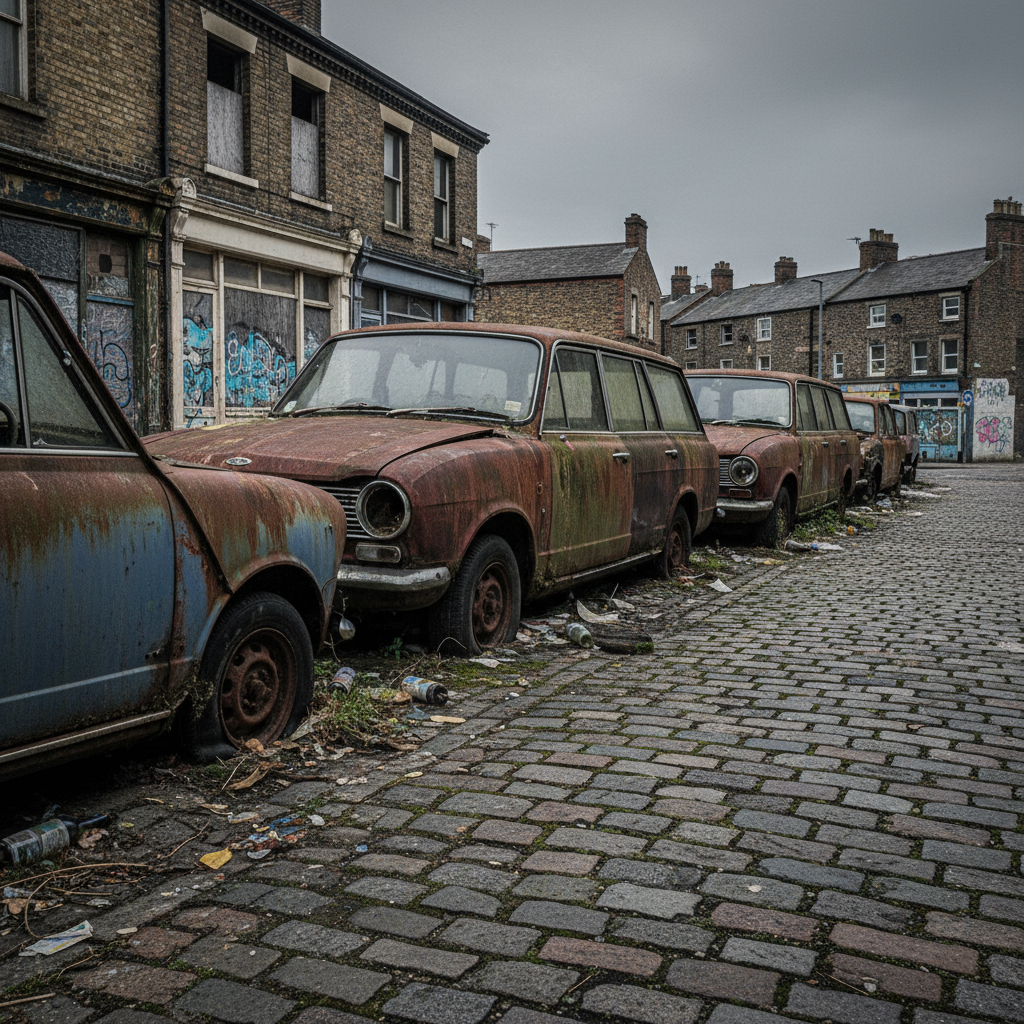
Abandoned Cars in the UK Up 34% in Two Years—The Problem Explained
Drive down the streets of most UK towns and you'll spot them: cars with flat tyres, rusted panels, and thick layers of dust. Some have been parked there for months. According to new figures from the RAC, the abandoned vehicle problem is worse than ever—up 34% in just two years.
But this isn't just an eyesore. It's a symptom of deeper problems in how cars are financed, traded, and disposed of in the UK.
The Numbers
The RAC's data shows councils across the UK are dealing with an alarming surge in reports of abandoned vehicles. The 34% increase over two years represents thousands of cars left to decay on public land—outside homes, on streets, in car parks.
Why is this happening now?
Cause 1: The Cost of Ownership Crisis
The most obvious driver is affordability. Used car prices have remained stubbornly high, whilst energy costs, insurance, and maintenance have climbed. For some drivers, keeping an old car that's no longer reliable becomes more expensive than abandoning it.
If your vehicle needs a £800 gearbox repair but you've got no budget and can't sell it, abandoning it can feel like the only option. It's not legal or ethical, but economic desperation often overrides both.
Cause 2: The PCN and Parking Wars
Parking Charge Notices (PCNs) are piling up on cars that rarely move. A vehicle with a stack of unpaid parking tickets can become a liability. Some owners, facing £100+ in fines, simply walk away.
Cause 3: Untraceable Finance Vehicles
A darker cause: finance companies occasionally write off vehicles as unrecoverable debt. If a car is financed and the owner defaults, the finance company may choose to abandon their recovery efforts. The car sits, the owner disappears, and nobody owns the problem anymore—except the council.
Cause 4: End-of-Life Vehicles (ELVs) and Recycling Costs
It's expensive to scrap a car properly. The process—towing, depollution, dismantling, recycling—can cost £300-£600. For an owner with a 15-year-old banger worth nothing, paying for disposal feels worse than just leaving it to rot. Illegal, yes, but economically rational from their perspective.
What Councils Are Doing
Local authorities are now spending significant resources on removal and disposal. The problem is cascading: more abandoned cars mean higher local council costs, which impacts services elsewhere. It's become a public health and environment issue.
Many councils now have specific teams for abandoned vehicle removal, but they're overwhelmed.
What This Means for Car Owners
If you own a car, even one you're not using:
1. Don't abandon it—it's illegal and you can be fined up to £1,000
2. Know your options—if you can't afford repairs, consider donation to charity, selling for parts, or legitimate scrapping
3. Check your finance—if you have outstanding finance on a vehicle, resolve it before abandoning the car
4. Remove number plates—if you're scrapping a car, ensure your registration is transferred or cancelled to avoid liability
The Bigger Problem: The Disposability Culture
Abandoned cars reflect a culture where vehicles are treated as disposable. But cars are valuable resources. A broken car can be:
For Buyers: Know What You're Getting
When buying a used car, abandoned vehicles sometimes resurface. A car left for months may have damage from weather, vermin, or neglect that isn't obvious at first inspection. Always:
1. Check the MOT history—consistent gaps suggest the car wasn't being used
2. Use VRMCheck to see the full history—a clean record is reassuring; gaps in tests or tax are red flags
3. Inspect thoroughly—check for water damage, internal corrosion, battery condition, and fluid leaks
4. Get a pre-purchase inspection—for used cars, especially older ones, this is essential
The Broader Crisis
The 34% surge in abandoned vehicles isn't just a council problem. It's a sign that the second-hand car market is under stress, repair costs are unsustainable for many drivers, and disposal costs are keeping people from doing the right thing.
Until the economics of car ownership become more sustainable, this trend will likely continue.
Check Your Car's History
If you're buying used, verify the vehicle's history instantly with VRMCheck. You'll see MOT records, tax history, and any gaps that might indicate neglect or abandonment. Head to https://vrmcheck.uk for a free check—no registration needed.
Ready to check a vehicle?
Free to start · Full report from £5.97 · Instant · No signup